
Optimal Timing for Tree Removals
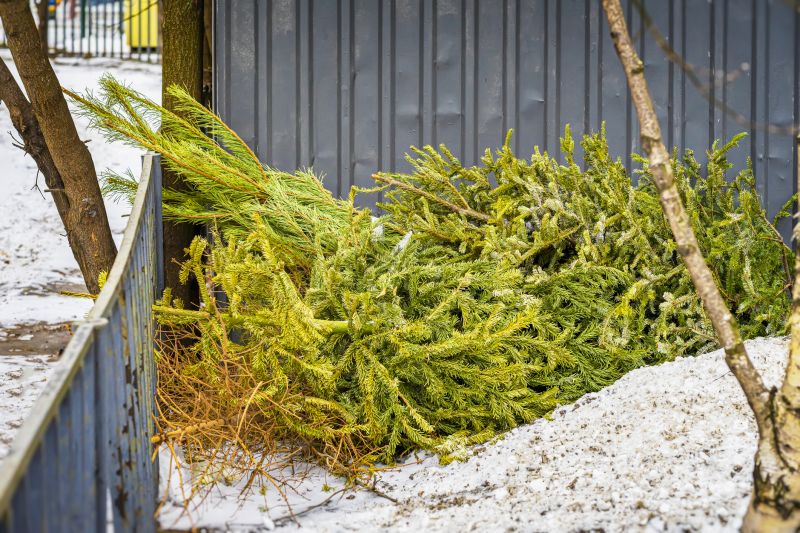
Winter is often ideal for tree removals due to frozen ground and reduced foliage, making access easier and minimizing impact on surrounding landscapes.
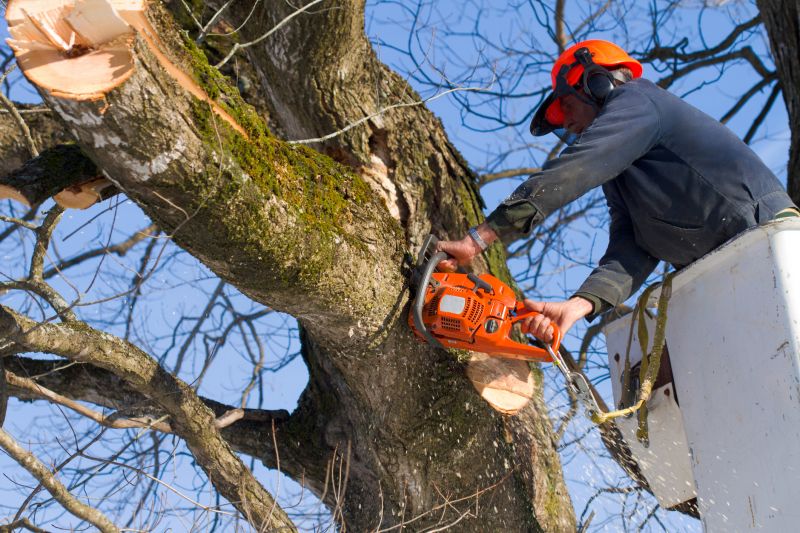
Spring can be suitable for removals before new growth begins, but it may interfere with budding and flowering of nearby plants.
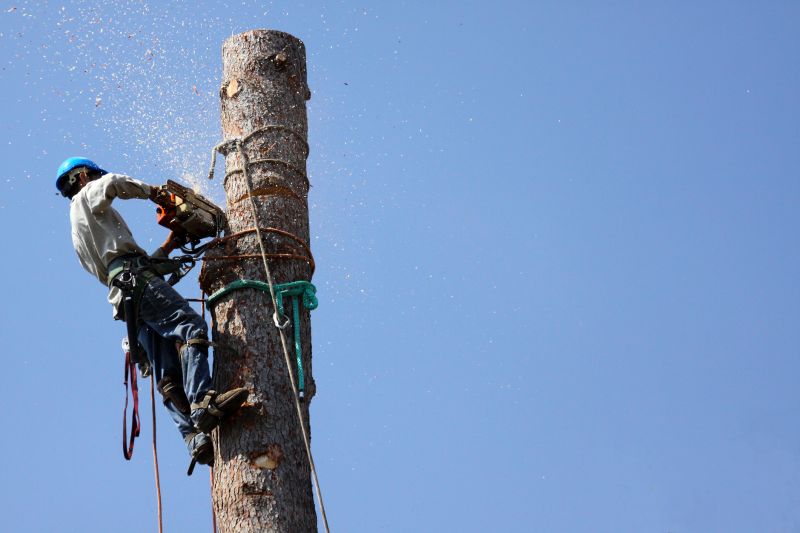
Summer removals are possible but can be challenging due to active foliage and higher temperatures, which may affect safety and equipment efficiency.
Ways to make Tree Removals work in tight or awkward layouts.
Popular materials for Tree Removals and why they hold up over time.
Simple add-ons that improve Tree Removals without blowing the budget.
High-end options that actually feel worth it for Tree Removals.
Finishes and colors that play nicely with Tree Removals.
Tree removals are essential for maintaining safety, health, and aesthetics of landscapes. The timing of removal impacts the process's efficiency and safety. Proper planning ensures minimal disruption and optimal results.
Seasonal variations influence tree removal methods, equipment use, and safety considerations, with winter often being the most favorable.
Winter removals reduce damage to surrounding vegetation, improve safety by reducing the risk of falling branches, and often result in lower costs.
Spring and summer removals require careful planning to avoid interference with plant growth and to manage higher foliage density.
Weather plays a crucial role; removals should be scheduled during dry, calm conditions to ensure safety and effectiveness.
| Season | Advantages |
|---|---|
| Winter | Frozen ground facilitates easier digging; less foliage to manage; reduced impact on surrounding plants. |
| Spring | Before new growth begins; allows for early removal, but may affect blooming plants. |
| Summer | Longer daylight hours; good weather for equipment use; but higher foliage density can complicate removal. |
| Fall | Cooler temperatures; less foliage; ideal for preparing landscape for winter. |
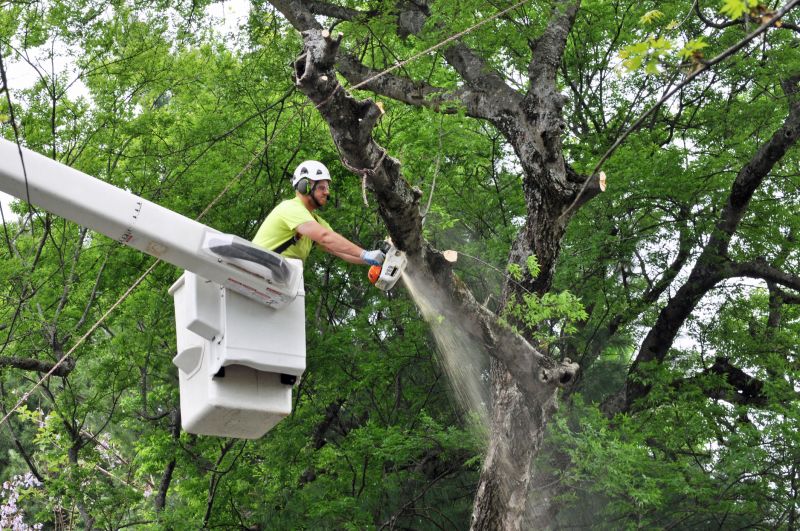
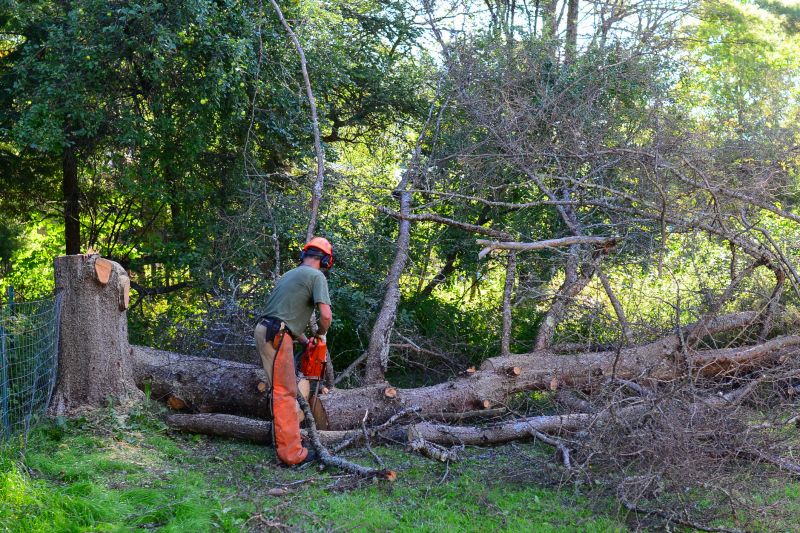
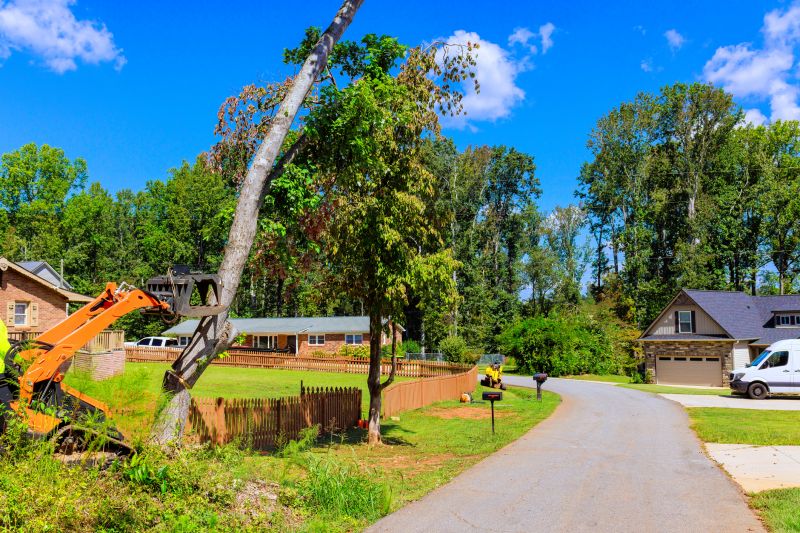
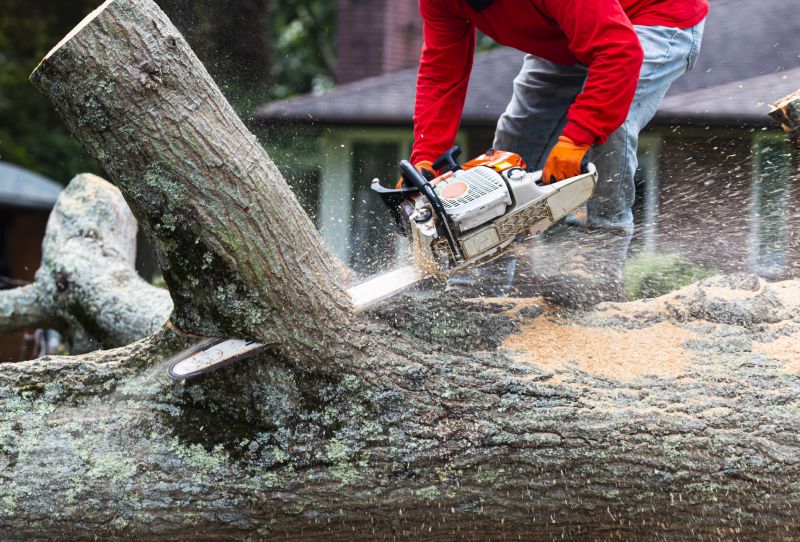
Specialized tools and machinery are used for safe and efficient tree removal, including cranes, chainsaws, and rigging gear.
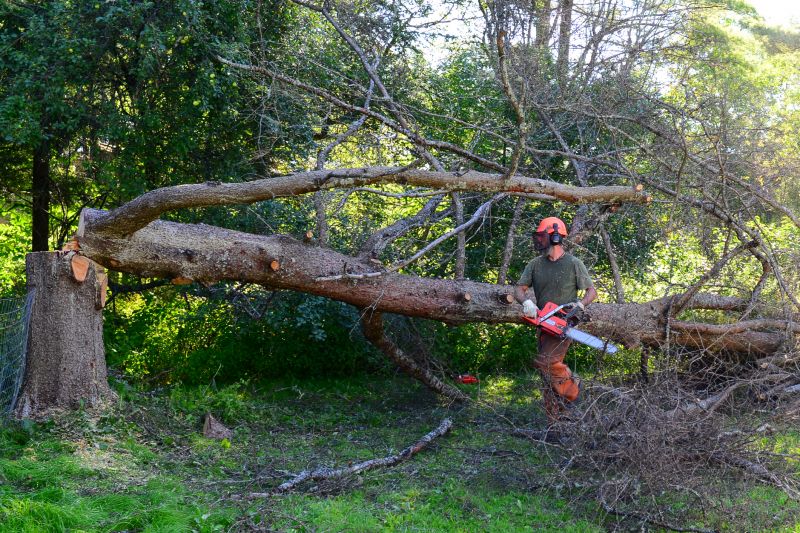
Techniques vary based on tree size and location, with methods like sectional removal and felling being common.
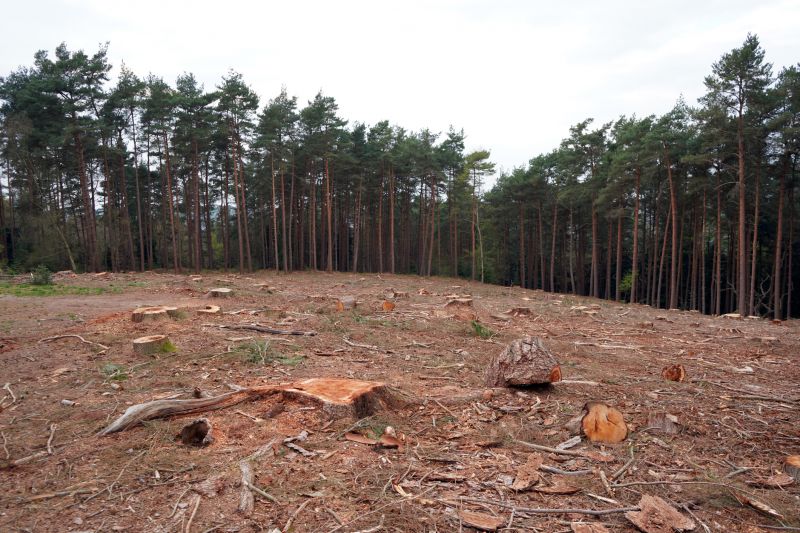
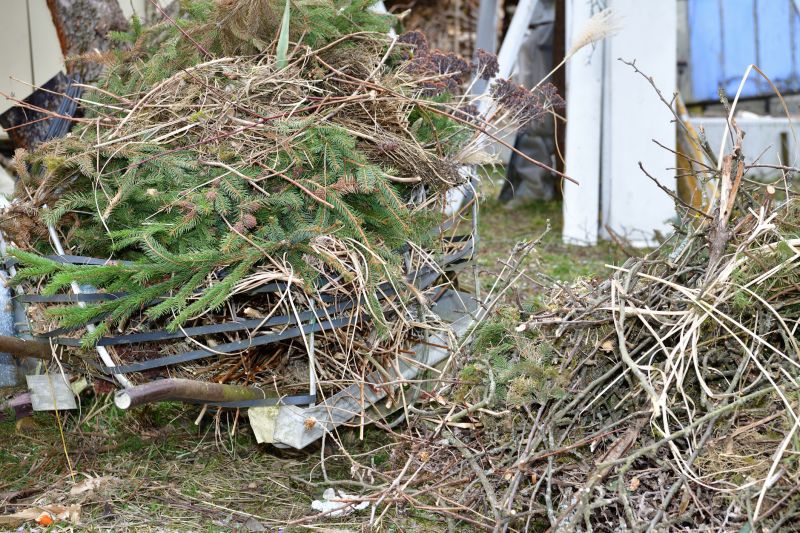
Cleanup involves stump grinding, debris removal, and site restoration to ensure safety and aesthetics.
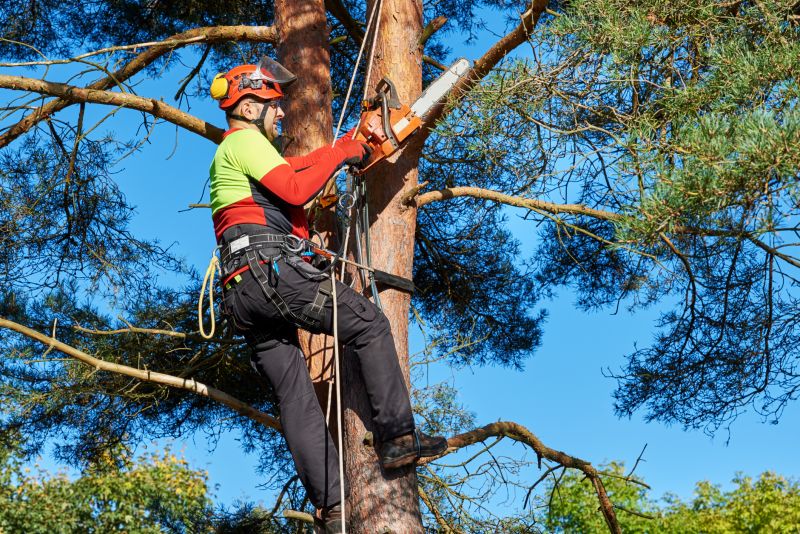
Proper safety protocols include wearing protective gear, assessing the environment, and planning removal sequences carefully.

Little measurements that prevent headaches on Tree Removals day.
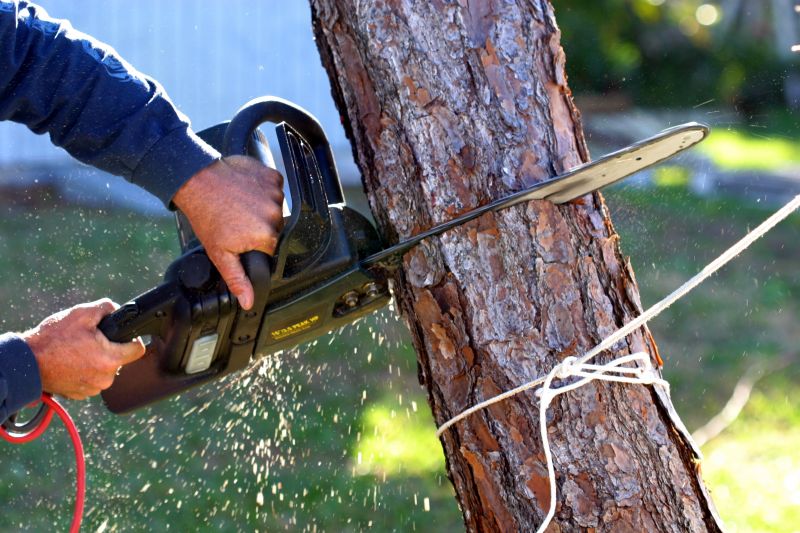
A 60-second routine that keeps Tree Removals looking new.
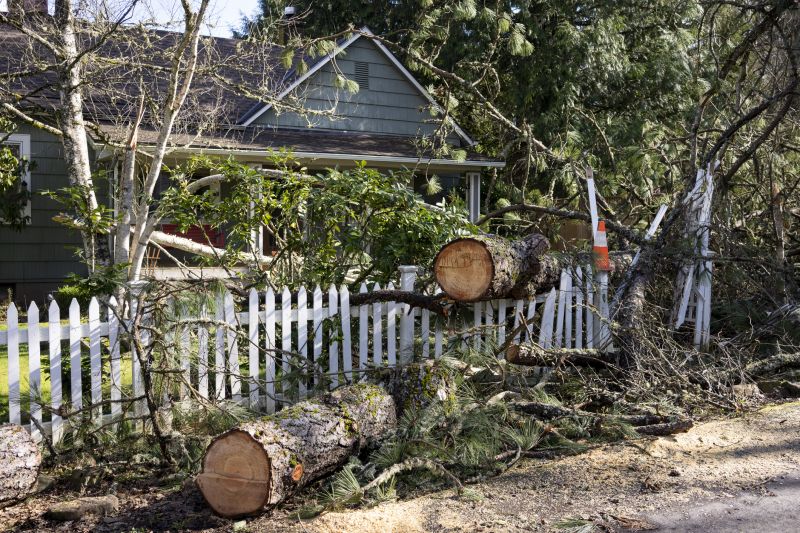
A frequent mistake in Tree Removals and how to dodge it.
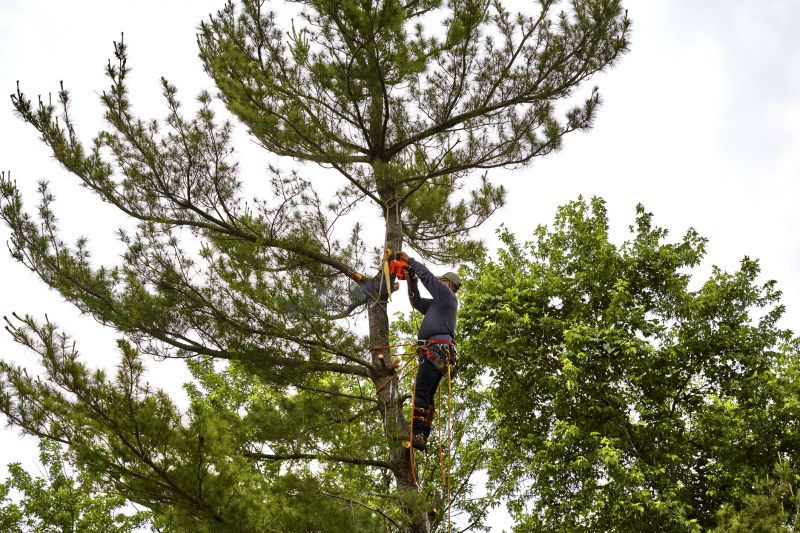
Small tweaks to make Tree Removals safer and easier to use.
Understanding the optimal timing for tree removal can prevent property damage, reduce hazards, and promote healthier landscapes. Consulting with professionals ensures the process aligns with seasonal conditions and safety standards.
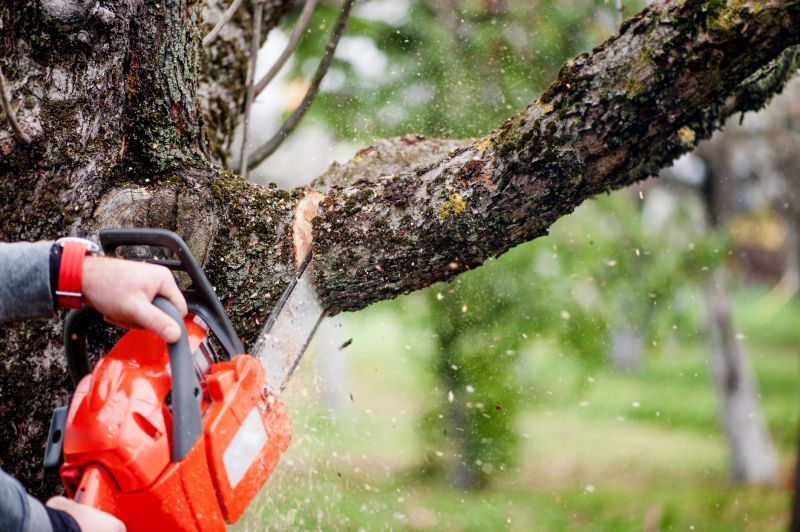
Images showcasing the safe and efficient removal of trees in various seasons.
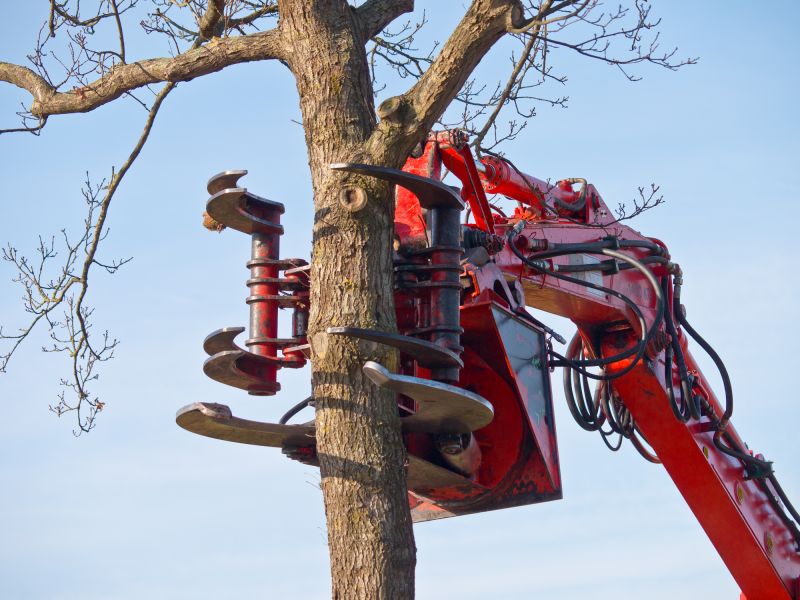
Photos of machinery and tools used during tree removal operations.
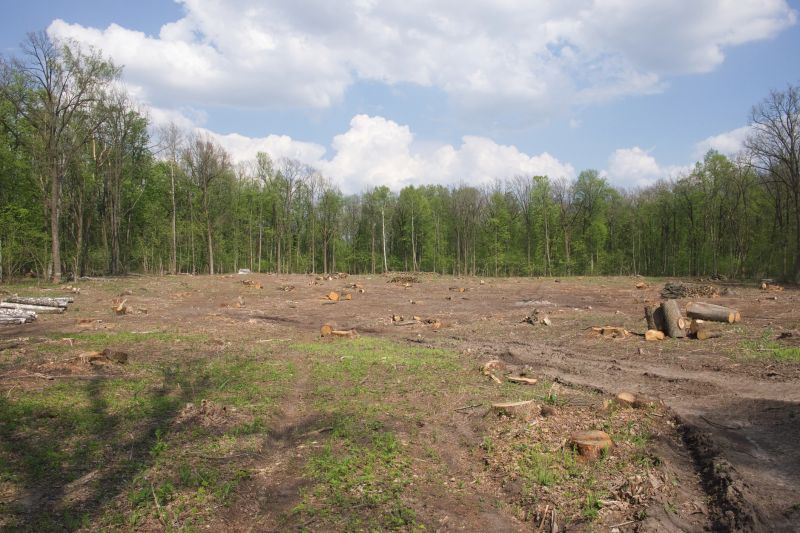
Examples of cleared and restored landscapes after tree removal.
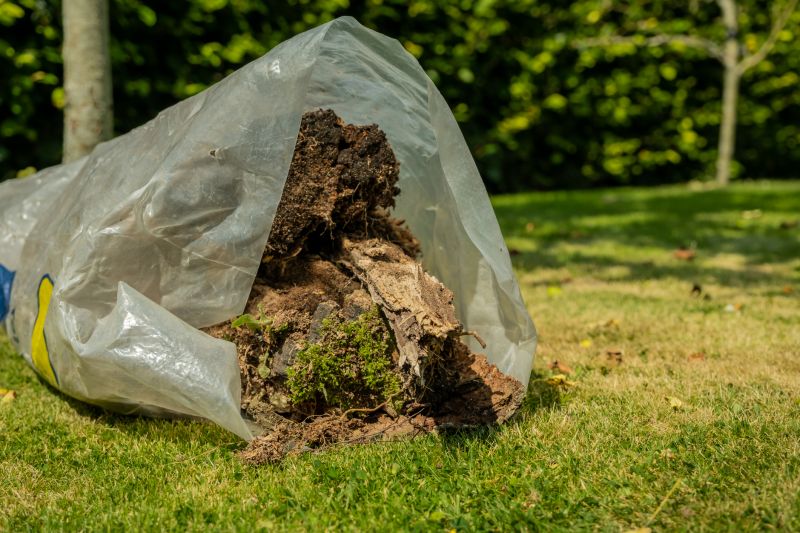
Lower-waste or water-saving choices for Tree Removals.
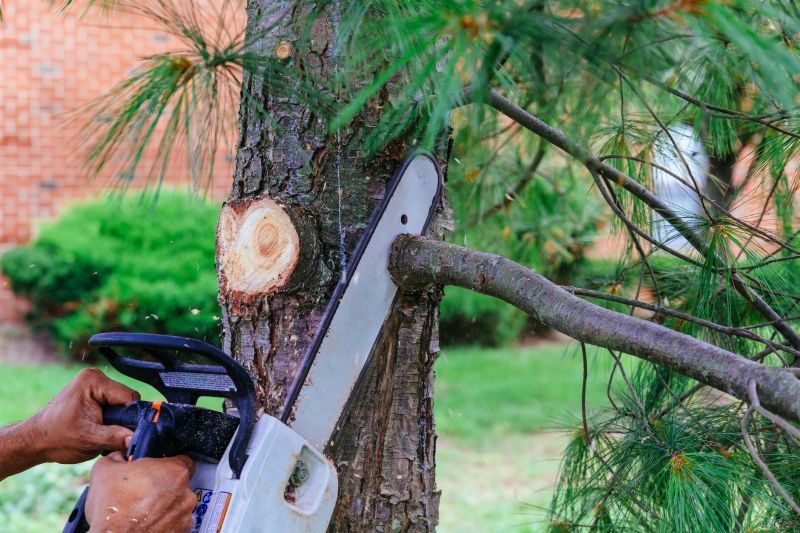
The short, realistic tool list for quality Tree Removals.
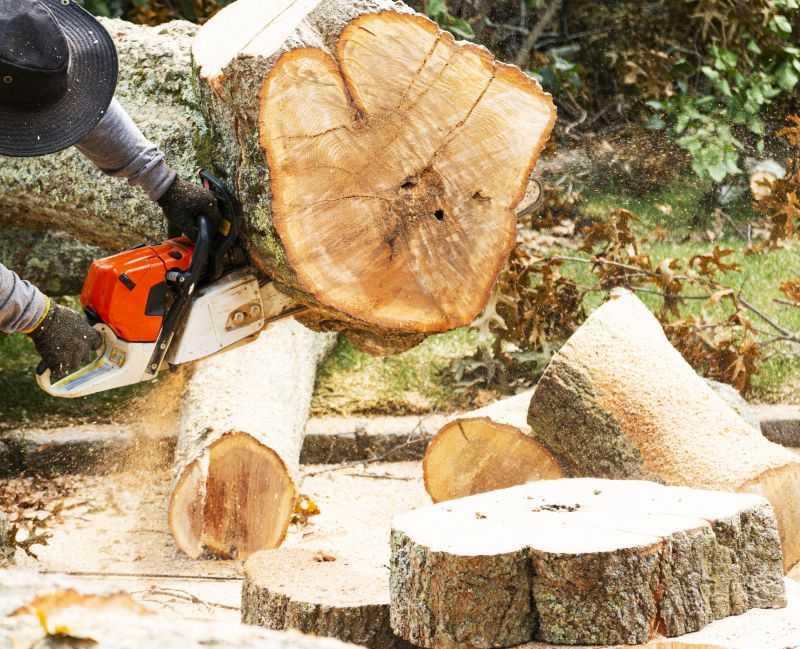
Rough timing from prep to clean-up for Tree Removals.
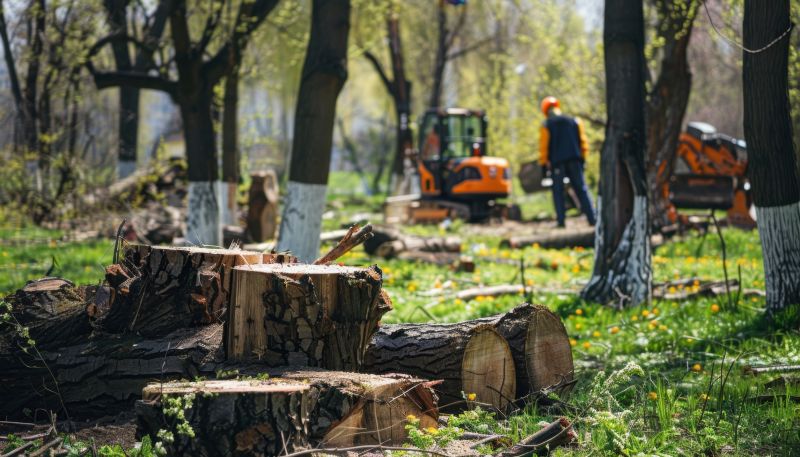
Quick checks and paperwork to keep after Tree Removals.
Examples that show the impact a good Tree Removals can make.
Interested in scheduling a tree removal? Filling out the contact form provides an opportunity to discuss timing options suitable for specific landscape needs and safety considerations.